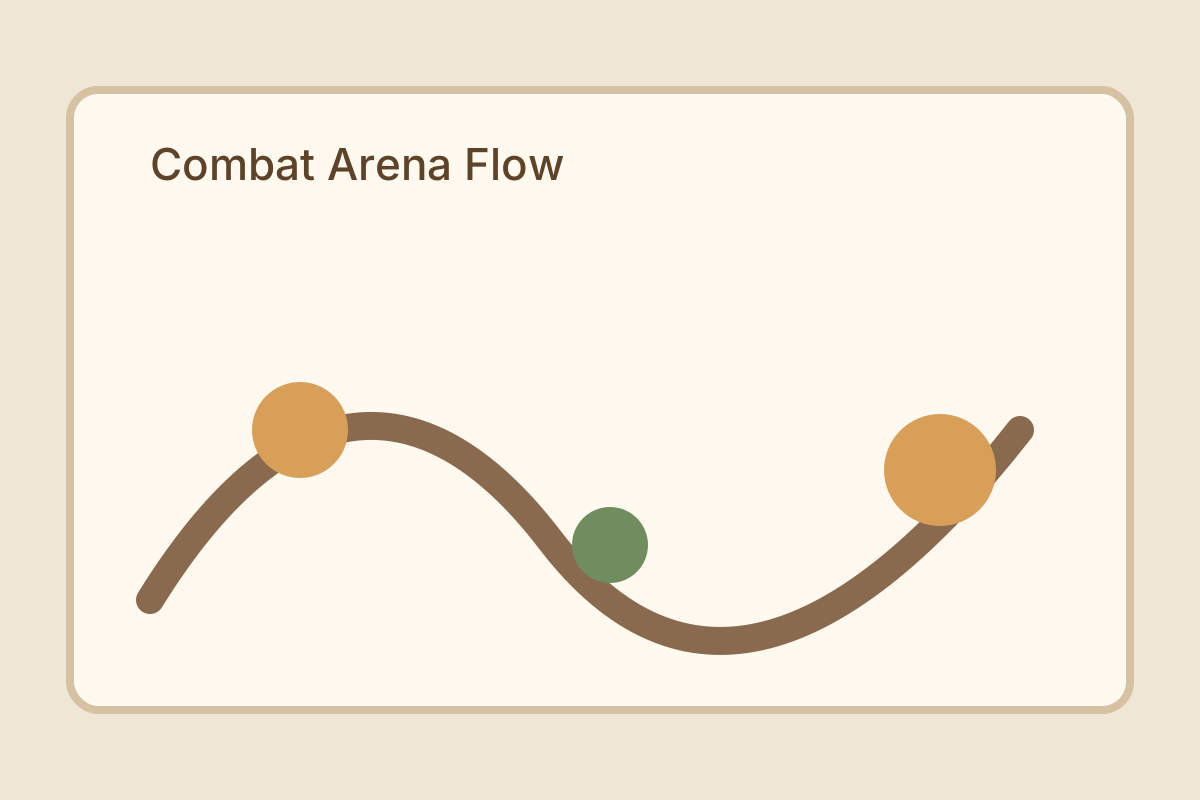
Sketched landmark hierarchy and route logic before starting any detailed environment pass.
Case File // ARC_03
Cliffside Landmark Composition Study
A visual-navigation study for a traversal level, focused on using silhouette, height layering, and contrast to guide players across a large outdoor space.
01
项目背景
This study focused on one core question: how can a wide outdoor space guide movement using composition alone? It was developed as a portfolio piece to demonstrate environment-led navigation design.
02
设计思路
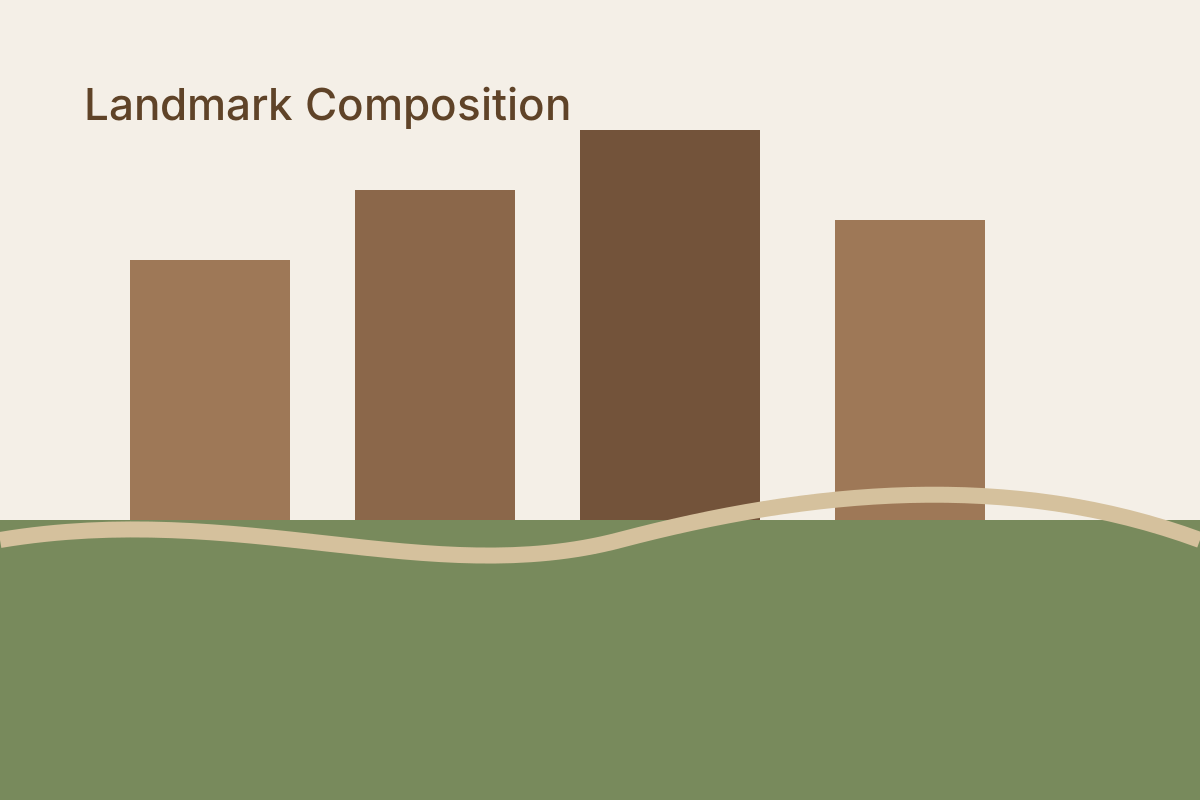
I built the space around landmark hierarchy. Instead of asking the player to read many small signals, the level relies on a few strong silhouette anchors and terrain layers that create a readable movement chain from start to destination.
03
制作流程
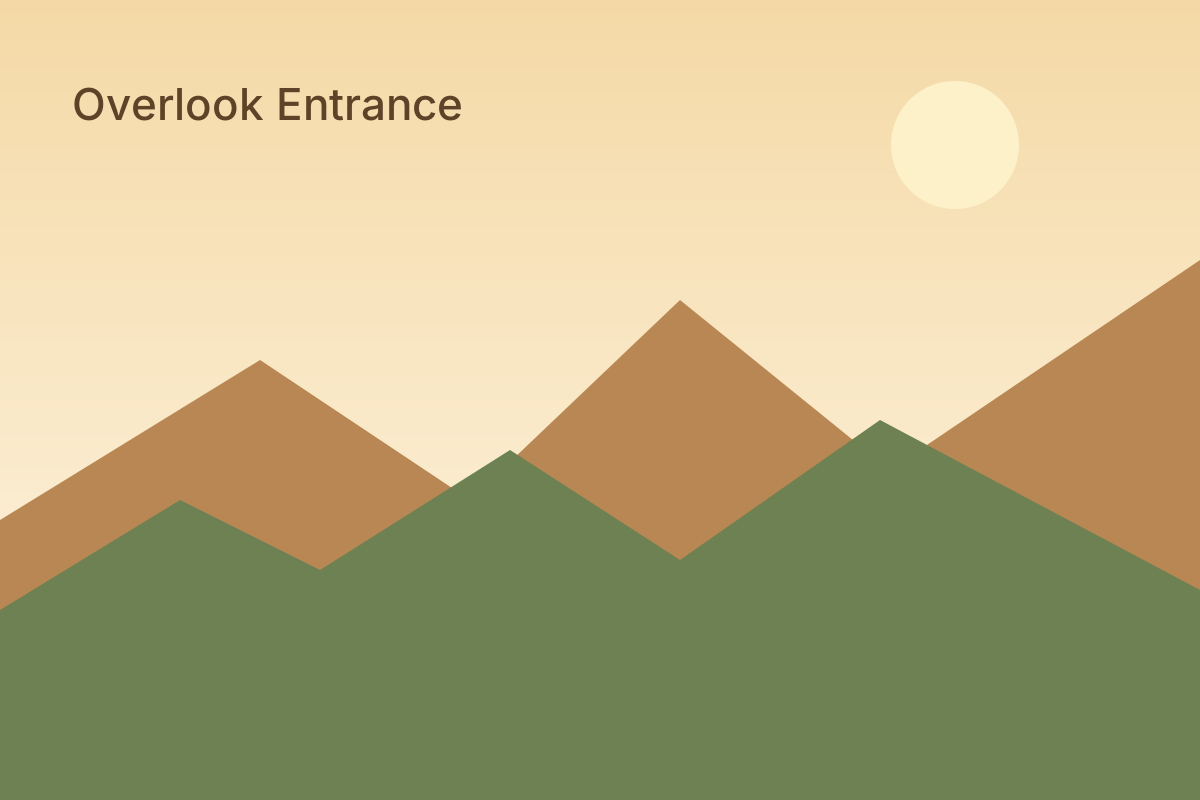
Blocked the terrain in large value groups to create foreground, midground, and far-goal separation.
Placed traversal beats where viewpoint changes would naturally reveal the next destination.
Refined lighting, color contrast, and modular dressing to reinforce the same navigation logic.
04
难点
The hardest part was keeping the destination legible from multiple camera angles. Some compositions looked strong from one vista but collapsed once the player entered a lower or more oblique position.
05
解决方案
I tested the route from several gameplay heights and rebuilt the landmark stack so each reveal supported the next one. This made the directional read more robust across the entire journey.
06
最终效果
The finished piece works as a clear case study in environment readability, showing how composition, terrain, and contrast can guide players without heavy interface support.